
North Carolina residents face a robocall crisis, prompting the state to implement stringent robocall laws requiring explicit consent for automated calls. Call-blocking apps leveraging AI and global databases offer relief, but robocallers adapt constantly. Residents should choose apps that respect privacy, adhere to legal frameworks, and update algorithms regularly. The North Carolina General Assembly's robust regulations empower consumers to protect themselves through complaints and app-based blocking, reclaiming control over phone experiences.
In today's digital era, North Carolina residents, like many across the nation, face a persistent challenge: robocalls. These automated phone calls, often illegal under state robocall laws, can be annoying, intrusive, and even dangerous. The volume of these unwanted calls has surged, with scammers targeting vulnerable individuals. This article delves into the world of North Carolina's top app solutions designed to combat this growing nuisance. We explore robust applications that empower users to identify, block, and report robocalls, offering much-needed relief from these relentless automated intrusions.
Understanding Robocalls and North Carolina Laws

Robocalls have become a pervasive issue across North Carolina, with millions of residents receiving unwanted automated calls daily. These robocalls often violate local robocall laws, which are designed to protect consumers from intrusive and deceptive practices. The North Carolina Department of Justice actively enforces these regulations, fining companies that disregard the rules. According to recent data, over 90% of North Carolinians reported receiving at least one robocall monthly, with many experiencing a surge in fraudulent calls offering fake prizes or demanding immediate payment.
North Carolina's robocall laws are stringent, requiring callers to obtain prior express consent before dialing residential phone numbers. This means that businesses must secure explicit permission from individuals before using automated systems to place calls. Violations can lead to substantial penalties, with fines reaching up to $10,000 per call in cases of willful or knowing violation. The state's Attorney General has actively pursued legal action against companies flouting these regulations, setting a clear precedent for enforcement.
To combat this growing problem, North Carolina residents are encouraged to familiarize themselves with their rights and reporting mechanisms. Using apps designed to block robocalls can offer some relief, but they are not foolproof. Expert advice suggests combining technological solutions with proactive measures like registering on the National Do Not Call Registry and regularly updating privacy settings on personal devices. Staying informed about evolving robocall laws and collaborating with state authorities remains crucial in protecting against these intrusive calls.
Top Apps to Block Calls in NC: A Comparative Review
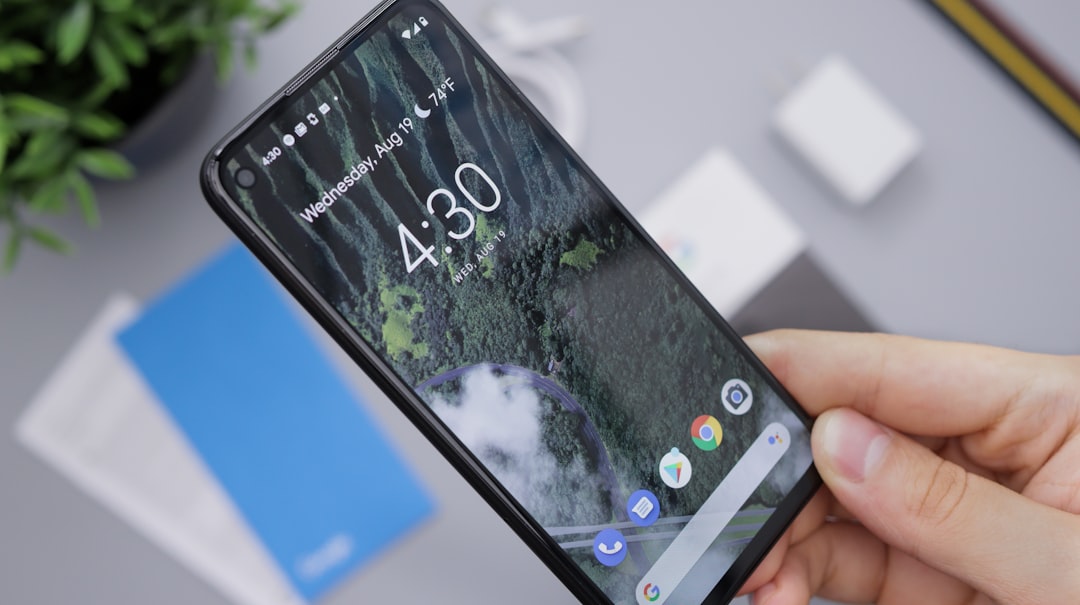
In the age of relentless robocalls, North Carolina residents now have access to a growing array of apps designed to shield them from these unwanted intrusions. The state's robust telecommunications infrastructure combined with the robust robocall laws in NC have catalyzed the development and adoption of cutting-edge call blocking technologies. This comparative review delves into the top North Carolina app options for stopping robocalls, analyzing their effectiveness, user reviews, privacy considerations, and compatibility with local legal frameworks.
Among the frontrunners, apps like NoCall and Hiya stand out for their advanced AI capabilities. NoCall, for instance, leverages machine learning to identify and block not just known robocallers but also emerging patterns and new call types. Its user interface is intuitive, allowing users to quickly manage blocked numbers and adjust settings. Similarly, Hiya employs a global database of known spammer numbers, enhancing its accuracy over time through community-driven reporting. Less focused on AI, apps like TruthFinder and Stop Calls Now offer basic blocking features and additional services like reverse phone look-up and caller ID history checks.
While these apps provide significant relief from robocalls, it's crucial to remember that no solution is foolproof. Robocallers constantly evolve their tactics, employing spoofed numbers and novel scripts. To stay ahead, developers must continually update their algorithms and leverage the latest advancements in voice recognition technology. In terms of legal compliance, North Carolina's robocall laws, such as those governing consent and do-not-call registrations, offer substantial safeguards for consumers. Users should opt for apps that respect privacy rights, transparently handle data collection, and align with these legal frameworks to ensure a robust and legally sound call blocking experience.
How to Use App Features for Effective Protection
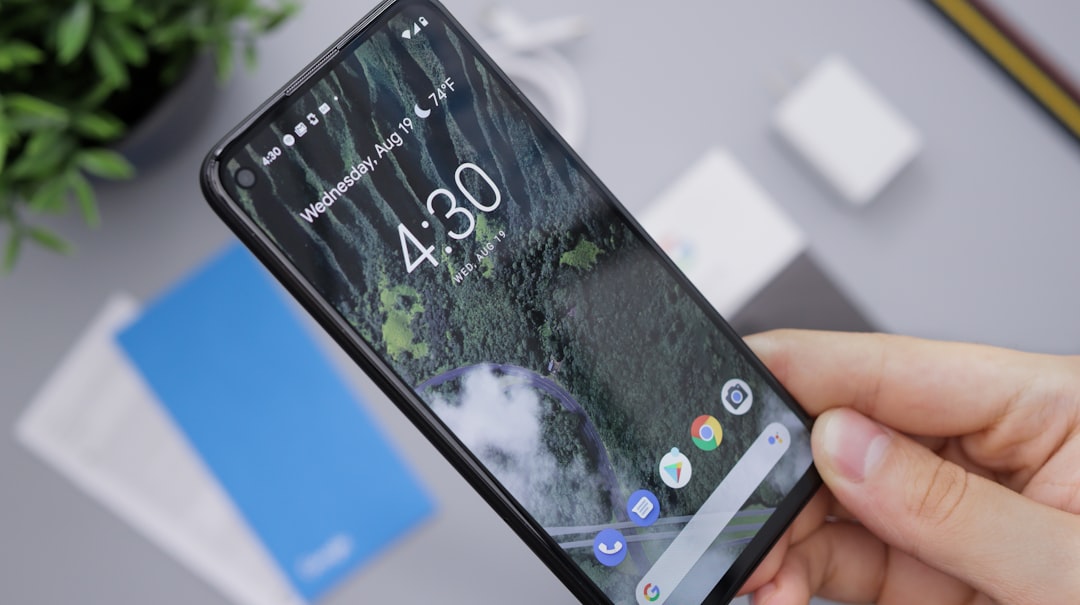
In the age of relentless robocalls, North Carolina residents now have access to powerful tools designed to offer protection under state laws that regulate these intrusive calls. One of the most effective means of combating this issue is through robust app features that allow users to identify and block unwanted callers. These apps have become a game-changer in the fight against robocalls, providing a layer of defense that traditional call-blocking methods often can't match.
Users can leverage advanced algorithms within these apps to train their protection systems over time. By identifying and blocking known robocallers, the app learns to recognize patterns associated with automated calls. For instance, many robocallers use similar scripts or dial from specific areas, enabling the app to adapt and enhance its accuracy. This adaptive learning ensures that as new tactics emerge, the app remains effective in protecting users from both known and unknown sources of robocalls. Additionally, these apps often offer do-not-disturb modes, allowing individuals to silence all incoming calls during specific periods, providing much-needed respite from relentless automated calls.
Another critical feature is the ability to report suspicious or fraudulent calls directly through the app. By reporting these calls, users contribute to a collective effort to identify and penalize offenders under North Carolina's robocall laws. This collaborative approach not only helps protect individuals but also fosters a safer communications environment for all residents. With such sophisticated tools at their disposal, North Carolinians can take charge of their phone experiences and reclaim control from unwanted robocalls.
Staying Ahead: Updates & Best Practices in NC

North Carolina residents face a persistent challenge from robocalls, prompting many to seek effective solutions. Staying ahead of this evolving problem requires a combination of technological advancements, legislative efforts, and user awareness. The state's robust telecommunications infrastructure makes it an attractive target for automated call generators, but North Carolina also boasts a proactive regulatory environment designed to combat robocalls.
The North Carolina General Assembly has enacted stringent robocall laws, empowering authorities to take action against unwanted calls. These laws provide a legal framework for consumers to file complaints and seek resolutions. For instance, the state's Telemarketing Sales Rule prohibits automated calls to residents unless they consent, with strict penalties for violators. This regulatory landscape encourages call centers and telemarketing companies to adopt best practices to ensure compliance, thereby reducing the volume of robocalls reaching North Carolina citizens.
To stay protected, NC residents should stay informed about these laws and utilize available tools. Many popular call-blocking apps are designed with local regulations in mind, offering robust filters tailored to block political, telemarketing, or other unwanted calls. Regular app updates are crucial, as developers continually refine their algorithms to adapt to new robocall tactics. By staying current with app updates and leveraging best practices, North Carolina residents can reclaim control of their phone lines and enjoy a quieter, more peaceful communication experience.