North Carolina residents face a surge in unwanted robocalls, prompting regulatory action. Lawyers specializing in robocall lawsuits emphasize strict compliance with rules on consent, disclosure, and opt-out options. Advanced call tracking, noise cancellation, and machine learning tools aid in combating robocallers. Apps like TrueCall and Hiya offer blocking and analytics, integrating with legal protections from robocall lawyers North Carolina. Staying informed about common scams and using reputable apps provides robust defense against evolving tactics.
In the digital age, robocalls have become a pervasive and often unwanted intrusion into our daily lives, especially for residents of North Carolina. These automated phone calls, while legal in certain contexts, can be a nuisance and even pose security risks. Robocall lawyers in North Carolina have noted a surge in complaints related to intrusive marketing calls, leading to a growing need for effective solutions. This article delves into the world of robocall mitigation, exploring innovative tools designed to empower North Carolinians to reclaim control over their phone lines and reduce the volume of unwanted calls they receive. We provide an in-depth analysis of an app-based solution that offers a practical approach to combating this modern-day frustration.
Understanding Robocalls in North Carolina: Laws and Regulations

Identifying and Tracking Unwanted Callers: Tools and Techniques

Unwanted robocalls remain a significant nuisance for residents across North Carolina, prompting many to seek effective solutions. Identifying and tracking these persistent callers is a critical step towards curbing their activity. Advanced tools and techniques have emerged, offering individuals and even robocall lawyers in NC a powerful arsenal to combat this growing issue. One of the primary methods involves sophisticated call-tracking software that records and analyzes incoming calls, enabling users to pinpoint the source and identify patterns.
These programs often utilize unique phone numbers, known as ‘burners’ or ‘disposables,’ which are temporarily assigned and can be used anonymously. When a robocall is received, advanced tracking systems capture detailed data, including the caller’s number, location, and call frequency. For instance, some apps employ machine learning algorithms to recognize patterns and predict future calls, allowing users to take proactive measures. This data can then be shared with telecommunications regulators or used by robocall lawyers in NC to build cases against persistent offenders.
Additionally, noise cancellation technology plays a vital role in enhancing call quality and identifying robotic voices, which are often used in automated calls. By filtering out background noise, these tools make it easier to distinguish human callers from robots, aiding in accurate tracking. With the ability to swiftly identify and document unwanted callers, individuals and legal professionals can more effectively combat robocalls, ensuring a quieter and safer communication environment for North Carolinians.
Legal Action Against Robocallers: Rights and Resources for NC Residents

In North Carolina, as across the nation, robocalls have become a pervasive nuisance, with millions of unwanted calls flooding residents’ phones daily. While many apps offer robocall blocking, legal action against the perpetrators remains a crucial aspect of addressing this issue. NC residents have rights and resources available to combat these intrusive calls, particularly when they ascend into harassment. The first step for any North Carolinian facing a deluge of robocalls is to understand their rights under federal and state laws. The Telephone Consumer Protection Act (TCPA) restricts automated calls made to personal devices without prior consent, with significant financial penalties for violators.
North Carolina law also provides additional protections, including specific regulations against telemarketing practices that may be deemed harassing. If residents suspect they are being targeted by robocallers, they should document the calls, including timestamps, call content, and any attempts to opt out. This evidence can prove invaluable when pursuing legal action. Consulting with robocall lawyers North Carolina is a strategic move for those facing relentless or fraudulent robocalls. Legal experts in this field can guide residents through the complexities of TCPA litigation, ensuring they receive the compensation or cessation of calls they are entitled to.
Many robocallers operate under the guise of legitimate businesses, making it essential for residents to know their rights and not hesitate to pursue legal action if necessary. A successful lawsuit against a robocaller can result in substantial financial damages, serving as a deterrent to other potential violators. With the right legal representation, NC residents can not only stop unwanted robocalls but also contribute to a safer digital environment for everyone.
Implementing Effective Blocking Solutions: Top App Recommendations

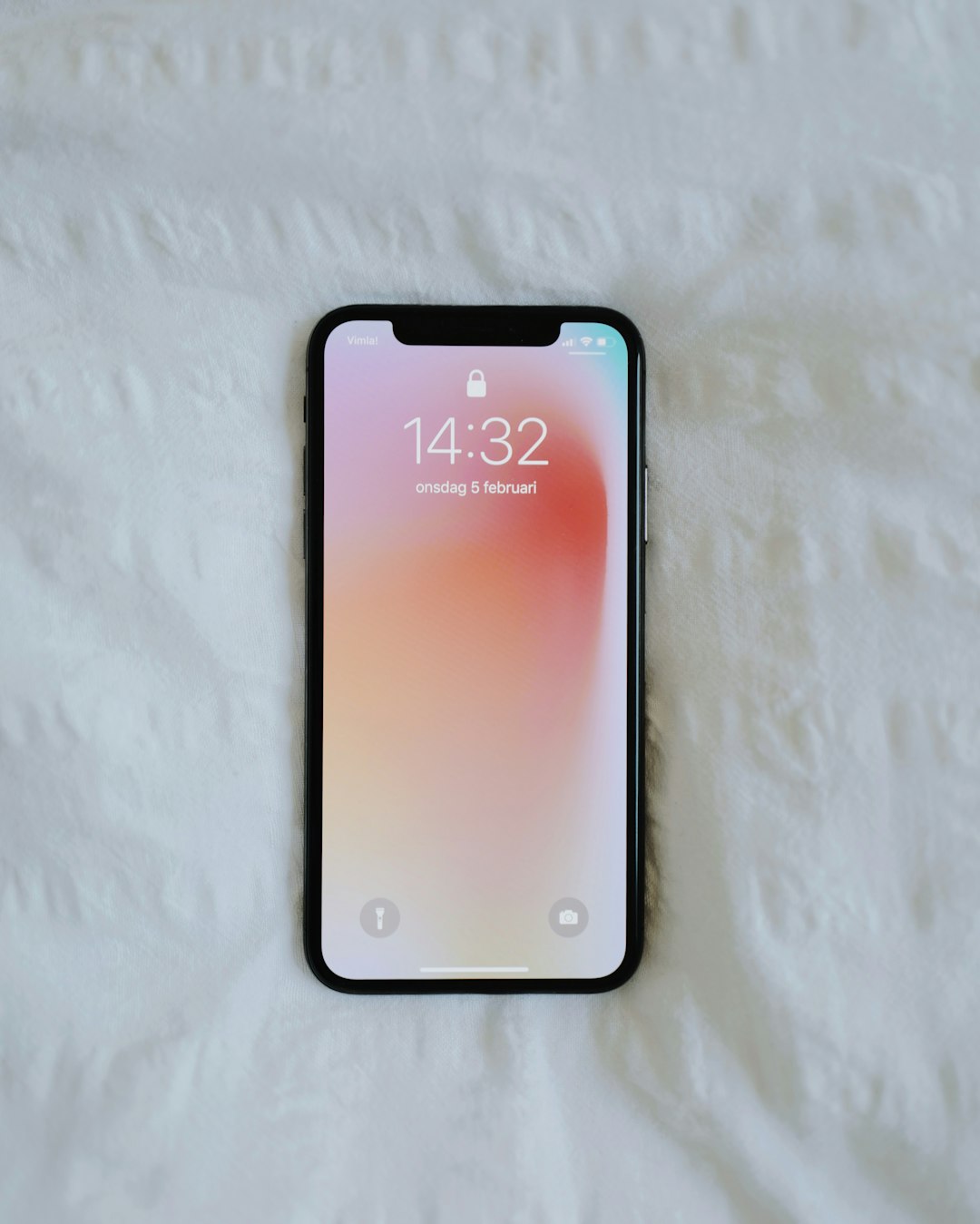
In the face of escalating robocall nuisance, North Carolina residents are increasingly seeking robust solutions to protect their privacy and peace of mind. Among the most effective defenses against unwanted calls is the utilization of specialized apps designed to block and identify robocalls. These applications leverage sophisticated algorithms and community-driven data to filter out spam calls, significantly enhancing user experience in a saturated market. Top-rated options like TrueCall and Hiya not only offer comprehensive blocking but also provide detailed call analytics, allowing users to stay informed about the types of calls they receive and how effectively the app is protecting them.
The choice of application should consider factors such as accuracy rates, ease of use, and data privacy policies. Apps like TrueCall boast high success rates in identifying and blocking robocalls, utilizing both real-time analysis and historical call data. This dual approach ensures that emerging scams are caught promptly alongside established nuisance calls. Moreover, integrating with legal protections is paramount. Some apps collaborate with robocall lawyers in North Carolina to offer users a layer of extra security by providing legal recourse against persistent spam callers. By combining cutting-edge technology with legal expertise, these tools empower individuals to take back control from relentless automated callers.
For optimal protection, consider downloading and configuring one of these top-recommended apps alongside practicing safe calling habits. Regularly reviewing call blocking settings and staying updated on emerging scams are crucial steps in maintaining a secure digital environment. By adopting proactive measures, North Carolina residents can reclaim their communication channels from the flood of unwanted robocalls, enhancing their overall experience with technology.
Staying Informed: Tips for Continuous Protection Against Robocalls

Staying informed is an essential aspect of protecting yourself from unwanted robocalls in North Carolina. With advancements in technology, these automated calls have become increasingly sophisticated, making it crucial for residents to be vigilant and well-informed. Robocall lawyers in NC consistently advise that knowledge is power when it comes to mitigating these intrusive phone calls. One of the primary challenges is that scammers and telemarketers are constantly evolving their tactics, so what works as a block today might not be effective tomorrow. Therefore, staying abreast of the latest trends and strategies is vital.
A practical approach to combating robocalls involves understanding common tactics used by callers. For instance, many robocalls originate from overseas, utilizing voice over IP (VoIP) technology, which makes them difficult to trace. These calls often target specific demographics or use personalized scripts to increase their effectiveness. By staying informed about these patterns, individuals can better identify suspicious activity and take proactive measures. Regularly checking with reputable sources for updates on known robocall scams is advisable.
Additionally, utilizing apps designed to block unwanted calls can provide significant protection. Many of these applications offer advanced features that detect and filter out robocalls based on real-time data from other users. For instance, apps like Call Shield or NoMo Robo have gained popularity for their effectiveness in North Carolina. These tools not only block known robocallers but also learn to recognize new patterns, offering continuous protection against evolving scams. Keeping these applications up to date is essential as they benefit from community-shared data, which can be continually improved by user contributions.