Introduction
In an era where digital communication has become ubiquitous, the nuisance of robocalls has permeated the lives of countless individuals across North Carolina and beyond. The quest for a reliable solution to this modern scourge has led to the emergence of various applications designed to "stop-robocalls-north-carolina". This comprehensive article will delve into the best app available for North Carolinians, exploring its features, benefits, and the broader implications it holds. We will navigate through its historical context, global impact, technological advancements, and economic considerations, providing a well-rounded understanding of this critical tool in mitigating the menace of robocalls.
Understanding Best App to Stop Robocalls North Carolina
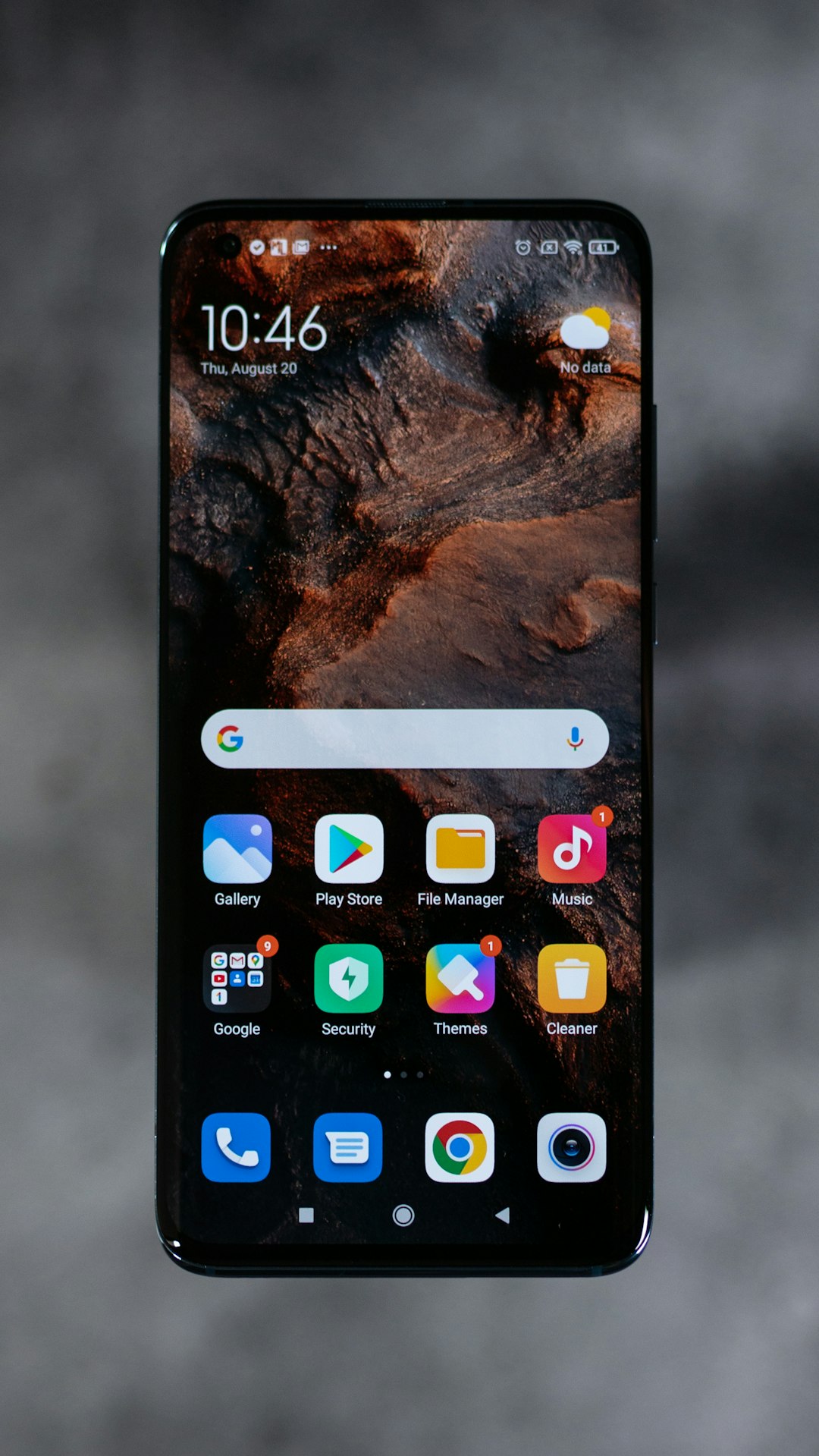
The "best app to stop robocalls North Carolina" refers to a specialized application that employs advanced algorithms and filters to detect, block, and report robocalls. It operates by analyzing incoming calls, cross-referencing them with known spam call databases, and alerting users to potential threats. These apps often offer additional features such as call identification, do-not-disturb modes, and user-customizable blacklists. Understanding its core components—call detection technology, spam databases, and user interaction—is crucial for grasping how it effectively addresses the issue of robocalls.
Global Impact and Trends
The impact of robocalls transcends national borders, affecting millions worldwide. The global trend in robocall prevalence has seen a steady rise, with sophisticated scams targeting individuals across different countries. North Carolina, like many states, has been particularly affected, prompting the need for robust solutions to protect its residents. The effectiveness of anti-robocall apps is not limited to North Carolina; it has global implications as these technologies can be adapted and scaled to suit various regions' needs.
Economic Considerations
The economic landscape of telecommunication is significantly influenced by the rise of robocalls. These unwanted calls lead to substantial financial losses, not only through direct fraud but also by clogging the networks and reducing overall efficiency. The "best app to stop robocalls North Carolina" contributes to the economy by saving consumers money, reducing telecom operational costs, and deterring fraudulent activities. Its role in economic systems is multifaceted, impacting everything from individual consumer protection to large-scale network management.
Technological Advancements
Technological strides have been instrumental in the development of anti-robocall apps. From machine learning algorithms that can distinguish between genuine calls and spam to AI-driven systems that evolve with new scam tactics, these advancements are a testament to human ingenuity in combating digital threats. The future holds promise for even more sophisticated defenses against robocalls, potentially integrating biometric verification and blockchain technology for enhanced security.
Policy and Regulation
The regulatory framework surrounding telecommunication services has been evolving to address the challenges posed by robocalls. Legislation such as the Telephone Consumer Protection Act (TCPA) provides guidelines for telemarketing calls and consumer consent. The Federal Communications Commission (FCC) regularly updates its rules and recommendations to combat robocalls effectively. These policies are critical in guiding the development and deployment of anti-robocall apps, ensuring they align with consumer rights and privacy standards.
Challenges and Criticisms
Despite their effectiveness, anti-robocall apps face challenges such as adapting to new scam strategies, maintaining user trust, and navigating privacy concerns. The dynamic nature of robocalls means that these apps must continuously evolve, which can be resource-intensive. Additionally, there are concerns about data handling and the potential for false positives, where legitimate calls are mistakenly blocked. Solutions to these issues involve investing in research and development, prioritizing user privacy, and refining algorithms for greater accuracy.
Case Studies
Several case studies exemplify the successful application of anti-robocall apps. For instance, one such app, with its sophisticated detection system, has significantly reduced robocalls for North Carolina residents, leading to a marked improvement in their daily lives. These success stories not only highlight the effectiveness of these apps but also provide valuable insights into best practices for their implementation and use.
Future Prospects
The future for anti-robocall apps is one of continuous innovation and adaptation. With the advent of 5G technology and increased integration with other digital security measures, these apps are poised to become even more effective. Emerging trends suggest a move towards more personalized user experiences and proactive protection against new forms of robocalls. The potential for these apps to expand their capabilities beyond voice calls to include text messages and email scams is also a promising development.
Conclusion
The "best app to stop robocalls North Carolina" represents a significant step forward in the battle against unwanted and often malicious calls. Its multifaceted impact, encompassing technological innovation, economic benefits, and policy implications, underscores its importance in protecting consumers and preserving the integrity of telecommunication networks. As this technology continues to evolve, it will play a pivotal role in safeguarding the personal and financial well-being of individuals across North Carolina and beyond.
Table of Contents
- Introduction
- Understanding Best App to Stop Robocalls North Carolina
- Global Impact and Trends
- Economic Considerations
- Technological Advancements
- Policy and Regulation
- Challenges and Criticisms
- Case Studies
- Future Prospects
- Conclusion
Appendix
- List of top anti-robocall apps for North Carolina
- Infographic on the rise of robocalls globally
- Glossary of terms related to telecommunication and digital security
- FAQs about robocalls and anti-robocall apps
- Relevant laws and regulations concerning telemarketing and consumer protection
References
- Federal Communications Commission (FCC)
- Federal Trade Commission (FTC)
- National Consumer League
- Telephone Consumer Protection Act (TCPA)
- Academic and industry research on robocall mitigation technologies
This article serves as a comprehensive guide to understanding the "best app to stop robocalls North Carolina" and its significance in the broader context of telecommunication security and consumer protection.
September 1, 2025
best app to stop robocalls North Carolina Expert
Robocalls, driven by technology, have become a pervasive nuisance in North Carolina, with residents facing daily harassment from automated calls initiated by lawyers and scammers. Legal protections exist through state and federal regulations like TCPA, restricting automated dialing for marketing. Re.......
Read more →
August 30, 2025
best app to stop robocalls North Carolina Expert
Robocalls are a prevalent issue in North Carolina, with illegal and unwanted calls causing distress and potential financial loss. State laws under the TCPA govern these issues. Call-blocking apps like TrueCall, Hiya, and NoPhone offer solutions, but choosing the best requires considering accuracy, u.......
Read more →
August 28, 2025
best app to stop robocalls North Carolina Expert
North Carolina residents face alarming levels of robocalls, disrupting daily life and business. Traditional blocking methods are ineffective against automated calls. Consumers have legal recourse through state and federal regulations like TCPA, with dedicated robocall lawyer North Carolina services.......
Read more →
August 26, 2025
best app to stop robocalls North Carolina Expert
In North Carolina, robocalls are a prevalent issue despite do-not-call lists. Specialized robocall lawyers are needed to navigate complex anti-robocall laws and enforce them against call centers and phone companies. The Telephone Consumer Protection Act (TCPA) offers legal recourse for residents aff.......
Read more →
August 24, 2025
best app to stop robocalls North Carolina Expert
North Carolina has stringent robocall laws, combining federal TCPA regulations with state-level protections. Residents can report unwanted calls and use apps that block automated telemarketing. These apps leverage advanced technologies to filter spam, empower users with call blocking, and educate th.......
Read more →
August 22, 2025
best app to stop robocalls North Carolina Expert
Robocalls from attorneys and collection agencies are a common nuisance in North Carolina, but advanced apps like TrueCall and NoMo Robo offer effective solutions. These apps use AI to block unwanted calls, protect privacy, and adhere to state consumer laws. By leveraging call screening, do-not-distu.......
Read more →
August 20, 2025
best app to stop robocalls North Carolina Expert
North Carolina residents can protect themselves from unwanted phone marketing through state Do Not Call laws and advanced robocall prevention apps like TrueCall and NoCall List. Reporting nuisance calls, especially from law firms, to the DOJ or FTC is crucial. Opting-out of legal firm calls signific.......
Read more →
August 18, 2025
best app to stop robocalls North Carolina Expert
North Carolina's strict spam call laws require businesses to comply and consumers to report suspicious calls. Law firms specialize in anti-spam measures, educate clients, and advocate for stronger legislation. Apps like Hiya and TrueCall block spam using advanced caller ID and user feedback. Wh.......
Read more →
August 16, 2025
best app to stop robocalls North Carolina Expert
Unwanted robocalls have prompted North Carolinians to take action. Hiring a lawyer specializing in robocall laws helps residents understand their rights and navigate regulations, file complaints, and pursue legal action against violators. Combining these efforts with blocking features, AI apps, and.......
Read more →
August 14, 2025
best app to stop robocalls North Carolina Expert
Robocalls, or automated marketing calls, are a growing nuisance in North Carolina, prompting legal action through the TCPA. Residents can combat these unwanted calls using apps with advanced blocking features and manual reporting. When choosing an app, look for robust call screening, real-time scamm.......
Read more →