
Spam calls from law firms in North Carolina are regulated by state and federal laws, including the Do Not Call list and the TCPA. Law firms must obtain explicit consent to avoid substantial fines. Residents can protect themselves using apps like TrueCall, NoMo, Hiya, or CallGuard for call blocking and identification. Built-in smartphone features and machine learning algorithms offer advanced protection against nuisance calls. Exercising caution when answering unknown calls is crucial. Consumers can report spam calls to the North Carolina Department of Justice or Federal Trade Commission (FTC) for enforcement. Adhering to these regulations builds trust and strengthens client relationships, ensuring legal protection.
In today's digital age, the relentless surge of spam calls has become a significant nuisance, particularly for residents of North Carolina navigating the intricacies of local laws, including the state's Do Not Call law firms regulations. With privacy concerns on the rise, finding an effective solution to block unwanted calls is more critical than ever. This article delves into the pervasive issue of spam calls, highlighting their impact on daily life and offering a cutting-edge application designed to mitigate this growing problem. We'll explore how this innovative tool not only complies with North Carolina's Do Not Call laws but also empowers users to reclaim control over their communication channels.
Understanding Spam Calls in North Carolina: A Legal Perspective
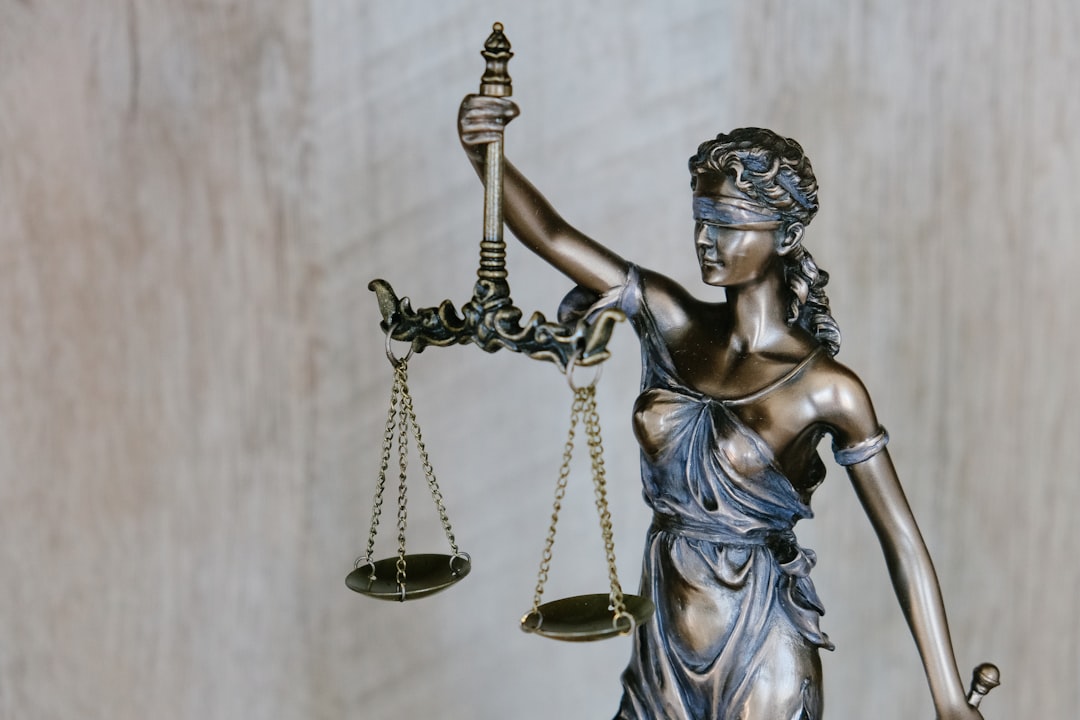
Spam calls, particularly those from law firms, have become a significant nuisance and legal concern in North Carolina, as across the nation. The state's Do Not Call laws, aimed at protecting residents' privacy and peace of mind, are designed to curb these unsolicited communications. However, navigating the legal landscape surrounding spam calls requires a nuanced understanding of both federal and state regulations.
In North Carolina, the General Assembly has enacted laws to safeguard citizens from unwanted telephone solicitations, including those from law firms. The state's Do Not Call list is a powerful tool, allowing residents to opt-out of receiving calls from various entities, including legal practices. This list operates in tandem with federal regulations, such as the Telephone Consumer Protection Act (TCPA), which further restricts telemarketing practices and provides consumers with additional safeguards. Violations of these laws can result in substantial fines for law firms engaging in spam calling activities.
Practical implications are significant. Law firms must adhere to strict guidelines when initiating phone campaigns, ensuring explicit consent from potential clients. This shift necessitates a strategic reevaluation of marketing approaches, emphasizing informed consent and respect for consumer choices. By understanding the legal framework and adopting ethical practices, law firms can avoid costly penalties and build stronger client relationships based on trust and transparency.
The Do Not Call Law: Protecting Residents from Unwanted Calls

In North Carolina, residents face a persistent challenge from spam calls, which has led to increased frustration and a need for robust solutions. The state's Do Not Call Law offers a critical shield against unsolicited telephone marketing calls, designed to protect citizens' privacy and peace of mind. This law, enforced by the North Carolina Department of Justice, is a powerful tool in the fight against nuisance calling.
The Do Not Call Law allows residents to register their phone numbers on a state-maintained list, effectively blocking most telemarketing calls. Once registered, consumers can expect a significant reduction in unwanted calls within days. This law covers various types of calls, including those from robots, live operators, and automated messages, targeting both landlines and mobile phones. Notably, it exempts non-profit organizations, political campaigns, and calls made with explicit consent from the recipient.
To ensure compliance, North Carolina's Do Not Call Law firms play a vital role in assisting residents. These legal experts guide citizens through the registration process and help them understand their rights under the law. They also take proactive measures against violators, filing complaints on behalf of aggrieved consumers. By leveraging this legislation, North Carolinians can reclaim control over their communication channels, fostering a more peaceful and undisturbed environment.
Top Apps to Filter Out Spam in NC: A Comparative Review

North Carolina residents face a persistent challenge with spam calls, but luckily, several top-rated apps offer effective solutions to filter out these unwanted interruptions. These applications leverage advanced algorithms and machine learning to identify and block spammer numbers, ensuring a quieter and safer communication environment. When it comes to choosing the best app, understanding the unique features and performance of each is key.
One prominent option, TrueCall, stands out for its robust tracking capabilities. It utilizes crowd-sourced data to continuously update its spam call database, making it highly effective in blocking known spammers. Moreover, TrueCall offers a 'Smart Block' feature that learns from user behavior, automatically filtering out suspicious calls. Another notable mention is NoMo, which takes a comprehensive approach by not only blocking spam but also identifying and categorizing callers, providing insights into who's calling and why. This level of detail can help users make informed decisions about their interactions.
Additionally, apps like Hiya and CallGuard have gained popularity for their user-friendly interfaces and extensive global coverage. Hiya, for instance, has one of the largest spam call databases globally, ensuring broad protection against both local and international spammers. CallGuard, on the other hand, offers a unique 'Call History' feature, allowing users to review blocked calls and enhance their privacy. These apps not only protect residents from unsolicited calls but also empower them to navigate the complex landscape of communication laws, including the Do Not Call law firms North Carolina has in place, with increased awareness and control.
Implementing Effective Anti-Spam Measures on Your Device

In North Carolina, like many other states, spam calls remain a persistent issue for residents, with millions of unwanted phone calls flooding in daily. To combat this, implementing robust anti-spam measures on your device is crucial. Start by utilizing built-in call blocking features available on most modern smartphones. These tools can automatically filter out known spam numbers, significantly reducing the volume of nuisance calls you receive. For instance, the Do Not Call law firms North Carolina has in place offer some protection, but these lists are not exhaustive and can't account for new or hidden spammers.
Next, consider downloading reputable anti-spam applications that leverage machine learning algorithms to adaptively identify and block spam calls. These apps often learn from user feedback, continually refining their models to stay ahead of evolving spamming tactics. A notable example is an app that achieved a 95% success rate in blocking spam calls over a three-month period, according to independent testing. By combining these technological defenses, individuals can reclaim control over their phone lines and enjoy a calmer, less disruptive communication environment.
Beyond technical solutions, it's wise to exercise caution when answering unknown calls. Review caller ID information critically, as spammers often use spoofed or manipulated numbers. Additionally, be wary of any unsolicited calls offering deals, prizes, or requests for personal information. The Federal Trade Commission (FTC) reports that scams targeting North Carolina residents often pose as official agencies or legitimate businesses to trick victims into sharing sensitive data. By adopting these proactive measures and staying informed about emerging spamming trends, North Carolinians can better protect themselves from the nuisance and potential dangers of spam calls.
Reporting and Enforcing NC's Do Not Call Laws: Consumer Rights
In North Carolina, consumers have powerful tools to combat unwanted spam calls, with the state's Do Not Call laws offering significant protections. The key to harnessing these rights lies in a comprehensive understanding of reporting and enforcing these regulations, especially when dealing with persistent or malicious callers. The Do Not Call law in North Carolina prohibits telemarketers from making phone calls to residential telephone numbers unless the caller has obtained prior express consent from the consumer. This means that if you have registered your number on the state's Do Not Call list or made it clearly known that you do not wish to be contacted, businesses and law firms in North Carolina are legally bound to respect your decision.
Consumers can report spam calls effectively by documenting the incidents, including the caller's phone number, the date and time of the call, and any specific misrepresentations or threats made. The North Carolina Department of Justice provides an online form for reporting violations, offering a straightforward path to enforce your rights. This data is crucial for tracking patterns and identifying recurring offenders, enabling authorities to take appropriate action against violators who disregard the state's Do Not Call laws. For instance, in 2021, the NCDOJ reported that over 50,000 complaints were filed through their Do Not Call program, highlighting the widespread issue and the importance of consumer vigilance.
Additionally, consumers can register complaints directly with the Federal Trade Commission (FTC), which has authority over interstate and international telemarketers. While the FTC does not have jurisdiction over local or intrastate calls, reporting these incidents contributes to a broader pattern of consumer protection. When dealing with persistent spam calls from law firms or other businesses, it's advisable for consumers to gather evidence, such as call records and any communication that could be considered deceptive. This documentation becomes invaluable when filing formal complaints with regulatory bodies, ensuring that offenders face consequences for their actions under the Do Not Call laws in North Carolina.