
Robocalls are a significant issue in North Carolina, prompting strict regulations like the North Carolina Telemarketers' Act. Residents can reduce calls using apps, registering with the National Do Not Call Registry, and verifying call legitimacy. A lawyer for robocall laws in North Carolina guides businesses on compliance and offers consumers legal recourse against unauthorized callers. Key laws include the Telephone Consumer Protection Act (TCPA) with severe penalties for non-compliance. Individuals can file complaints with the FTC, report to phone service providers, and consult lawyers for resolution. Hiring a specialist ensures privacy protection and blocks unwanted calls.
In the digital age, robocalls have become a ubiquitous yet unwanted nuisance, with North Carolina residents facing an increasing deluge of automated calls daily. This pervasive issue not only disrupts personal lives but also poses challenges for businesses operating within the state. The problem is especially acute for those who find themselves on these unwanted call lists, often through no fault of their own. This article delves into the rising concern of robocalls and explores a practical solution: an innovative North Carolina app designed to mitigate this growing issue. With insights from legal experts specializing in robocall laws North Carolina, we uncover how technology can now empower individuals to regain control over their communication channels.
Understanding Robocalls in North Carolina: A Legal Perspective
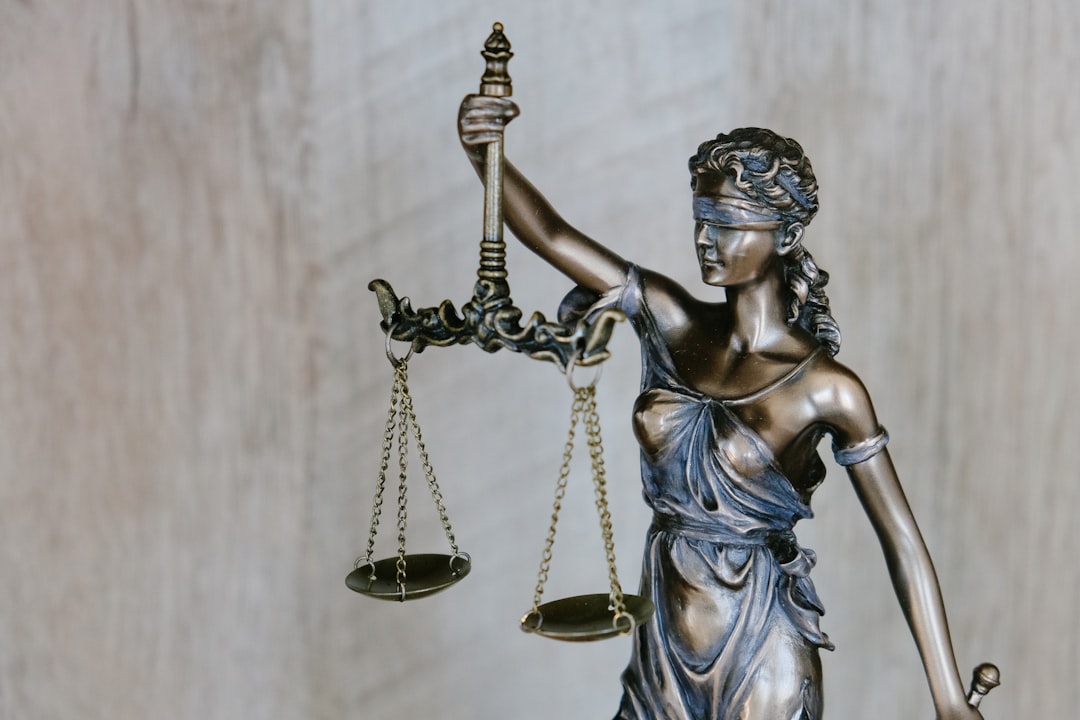
Robocalls have become a pervasive issue in North Carolina, with many residents experiencing an unprecedented surge in automated calls daily. This trend has prompted a closer look at the legal implications and potential solutions, especially as these artificial communications can often be intrusive and misleading. According to recent studies, North Carolina ranks among the top states receiving a high volume of robocalls, with estimates suggesting over 50% of households being targeted weekly. This widespread occurrence has sparked debates about consumer protection and led to increased scrutiny on businesses and their marketing practices.
From a legal perspective, North Carolina has implemented robust regulations to combat the issue. The state's laws, such as the North Carolina Telemarketers' Act, explicitly prohibit certain types of robocalls without prior consent. These laws are designed to safeguard residents from unwanted and deceptive calls, ensuring businesses adhere to ethical marketing standards. A lawyer for robocall Laws in North Carolina can offer valuable guidance on navigating these regulations, helping businesses comply while providing consumers with recourse against relentless or unauthorized callers. For instance, a resident who feels their privacy rights have been violated may consult such a legal expert to explore potential legal actions.
The complexity of robocall laws lies in the nuances of consent and consumer protection. Businesses must carefully consider the methods they use to obtain and verify customer agreement, especially with evolving technologies. Legal professionals play a pivotal role in interpreting these regulations, ensuring companies avoid penalties and providing consumers with effective remedies when their rights are infringed upon. By understanding the legal framework, residents can take proactive measures to reduce robocalls and make informed decisions regarding their privacy.
The Rise of Scams: Targeting Residents through Phone Calls

The rise of robocalls targeting North Carolina residents has become an increasingly prevalent and insidious issue, with scammers employing sophisticated techniques to infiltrate personal and business phone lines. These automated calls, often emanating from out-of-state or international numbers, have evolved into a complex web of fraud, leaving many North Carolinians concerned for their privacy and financial security. The sheer volume of robocalls has prompted the state's lawmakers to take action, with new regulations in place to protect citizens and punish those behind these deceptive practices.
Scammers employ various tactics, including pretending to be from government agencies, utilities companies, or even financial institutions, to trick individuals into providing sensitive information over the phone. A notable trend involves impersonating lawyers or legal firms, claiming that the recipient has been involved in a lawsuit or requires immediate legal assistance. These calls often target the elderly or those with limited digital literacy, taking advantage of their trust in established authority figures. According to recent data from the Federal Trade Commission (FTC), North Carolina ranks among the top states for complaint volume related to robocalls and telemarketing fraud, underscoring the urgency of addressing this growing problem.
To combat these scams, North Carolina residents are encouraged to take proactive measures. Utilizing call-blocking apps and registering with the National Do Not Call Registry is a good starting point. Additionally, being vigilant during phone interactions and verifying the legitimacy of unexpected calls is crucial. If a caller demands immediate action or threatens consequences, it's advisable to hang up and contact official channels directly. In cases where residents suspect they've been targeted by fraudulent robocalls, reporting these incidents to local law enforcement or relevant consumer protection agencies can help build a case against these persistent scammers. By staying informed and adopting a cautious approach, North Carolinians can protect themselves in this ever-evolving landscape of phone scams.
North Carolina's Legal Framework to Combat Robocallers
North Carolina has established a robust legal framework to combat robocallers and protect its residents from unwanted telephone solicitations. The state's laws are designed to empower consumers and provide clear guidelines for businesses engaging in telemarketing activities. One of the key components is the North Carolina Telephone Consumer Protection Act, which mirrors federal regulations, such as the Telemarketing and Consumer Fraud and Abuse Prevention Act (TCFA). This legislation gives residents significant leverage against robocallers by allowing them to file complaints and seek legal recourse.
A crucial aspect of this framework is the strict do-not-call registry maintained by the North Carolina Department of Justice. Consumers can register their phone numbers to opt-out of telemarketing calls, a measure that significantly reduces unwanted robocalls. Lawyers specializing in robocall laws in North Carolina advise businesses to verify consumer consent and properly maintain opt-out lists to avoid legal repercussions. For instance, a recent study by the Federal Trade Commission (FTC) revealed that over 90% of consumers prefer not to receive marketing calls from unfamiliar numbers, underscoring the importance of compliance.
Moreover, North Carolina law imposes stringent penalties on violators, including actual damages, statutory damages of up to $500 per violation, and injunctive relief. A lawyer for robocall laws in North Carolina can guide businesses in understanding these regulations and implementing best practices to avoid legal disputes. By adhering to these guidelines, telemarketers can ensure compliance while maintaining effective communication strategies. For example, many reputable companies now use consumer data analytics and artificial intelligence to target calls more precisely, minimizing the impact of robocalls on the overall customer experience.
Strategies for Filing Complaints: Empowering Consumers
North Carolina residents facing a deluge of robocalls have powerful tools at their disposal to reclaim control of their phone lines. Filing complaints is not only an effective way to combat these unwanted calls but also plays a crucial role in empowering consumers and shaping industry practices. The state's robust consumer protection laws, coupled with federal regulations, offer multiple avenues for action.
One of the primary strategies involves reporting robocalls to the Federal Trade Commission (FTC), which receives millions of complaints annually regarding unsolicited telephone marketing calls. Consumers can easily file a complaint online through the FTC's DoNotCall.gov website, providing details about the caller and the nature of the call. This collective data helps the FTC identify patterns and take enforcement actions against violators. Additionally, many phone service providers offer dedicated mechanisms for reporting robocalls, often integrating with consumer complaint platforms to streamline the process.
For those who have exhausted these initial steps and still face persistent or abusive robocallers, consulting a lawyer specializing in robocall laws in North Carolina can prove invaluable. Legal counsel can guide consumers through complex regulations, such as the Telephone Consumer Protection Act (TCPA), to determine the best course of action. This may include sending cease-and-desist letters, pursuing legal claims for damages or injunctive relief, or advocating for stricter enforcement against call centers engaged in illegal practices. By taking this proactive approach, consumers not only protect themselves but also contribute to a more robust legal framework aimed at curbing robocalls.
Hiring a Lawyer: Your Defense Against Unwanted Calls
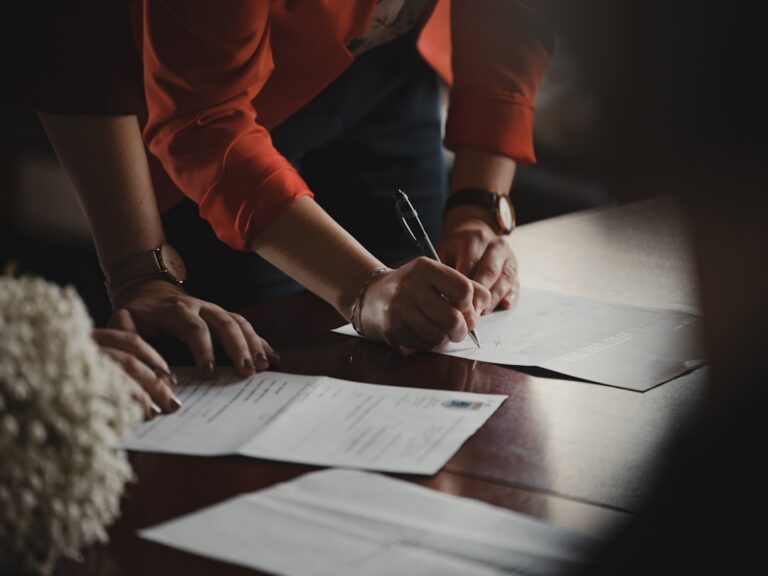
In North Carolina, like many states across the country, robocalls have become an increasingly pervasive and frustrating issue for residents. With advanced technology making it easier than ever to automate calls, the volume of unwanted phone marketing has skyrocketed. While there are numerous strategies being explored to combat this problem, one effective defense for individuals is hiring a lawyer for robocall in North Carolina. These legal professionals specialize in navigating complex consumer protection laws and can provide critical support against intrusive phone calls.
North Carolina's telephone consumer protection laws, similar to federal regulations like the Telephone Consumer Protection Act (TCPA), offer substantial remedies to consumers who experience excessive or unwanted robocalls. A lawyer specializing in this area can help individuals understand their rights under these laws and take appropriate action. For example, if a resident has consistently received harassing or abusive phone calls from telemarketers or political campaigns, legal counsel can assist in filing a complaint with the Federal Communications Commission (FCC) or state regulatory bodies. These complaints not only protect individual consumers but also send a message to call centers and marketers that such practices will not be tolerated.
Hiring a lawyer for robocall North Carolina offers several practical advantages. These attorneys are adept at blocking unwanted calls through legal means, such as filing injunctions or negotiating with call centers to stop placing calls to specific phone numbers. They can also assist in securing substantial financial compensation for clients who have suffered significant distress due to relentless robocalls. By employing a lawyer's expertise, individuals can regain control over their phone lines and protect themselves from future invasions of privacy. This proactive approach not only ensures compliance with consumer protection laws but also empowers residents to take a stand against the deluge of unwanted marketing calls.