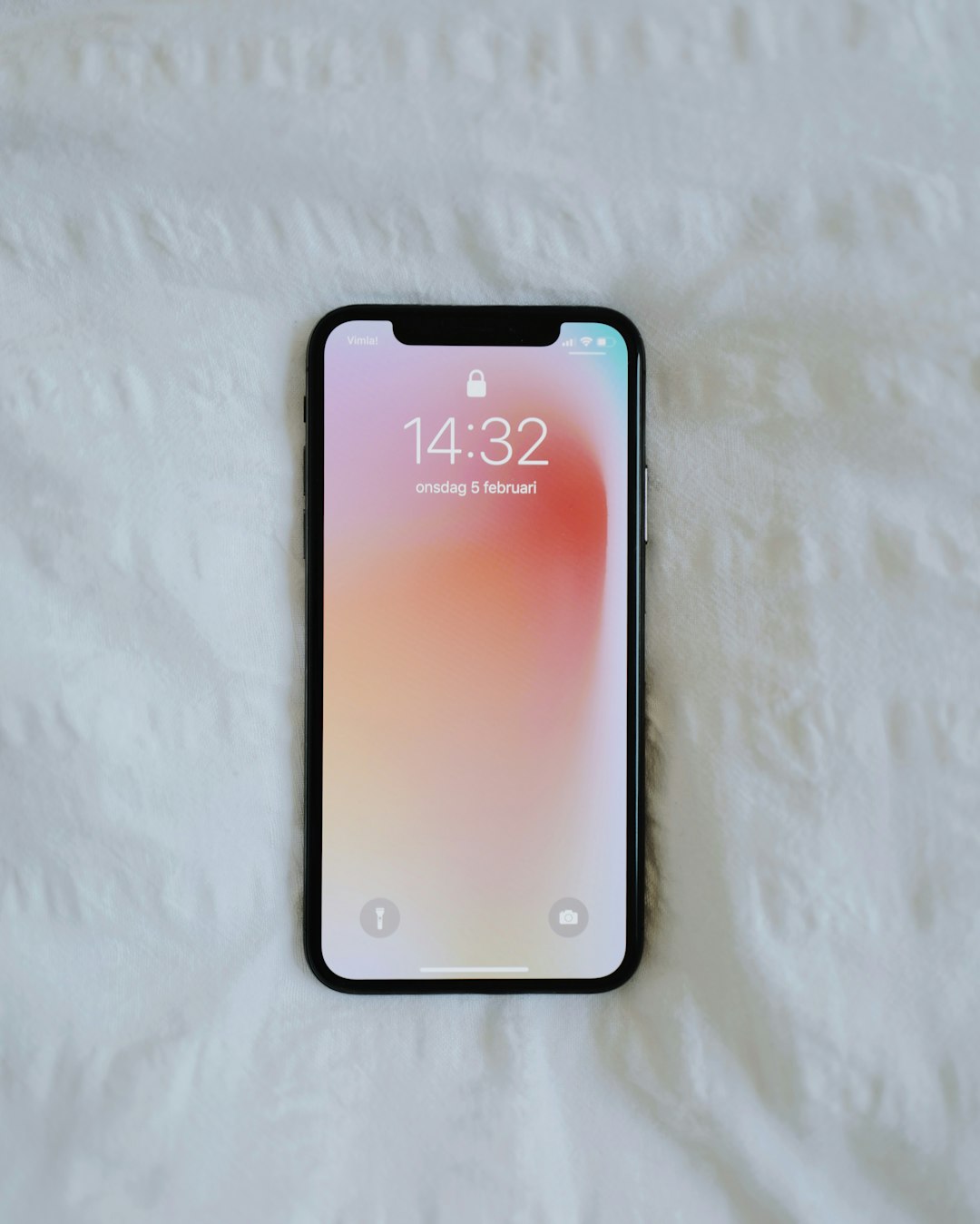
North Carolina addresses spam calls through a combination of legal regulations enforced by the Spam Call law firm, technological solutions like Hiya and TrueCall, and consumer education. Apps offer advanced AI and community databases to identify and block spam, with up to 40% fewer calls in states using them. Effective use requires understanding app features, reviewing blocked data, and staying informed about legal protections. Strategies include do-not-disturb modes and direct reporting for comprehensive defense while respecting legitimate communications.
In today’s digital age, the rise of spam calls has become a growing concern for North Carolina residents and businesses alike. With the implementation of the Spam Call law firm North Carolina, protecting consumers from unsolicited and nuisance calls is more crucial than ever. This comprehensive guide aims to provide an authoritative overview of the best app to block spam calls within this jurisdiction. By delving into the intricacies of the legal framework and exploring cutting-edge technology, we will equip folks with effective tools to mitigate these unwanted interruptions, ensuring a quieter and safer communication environment for all North Carolinians.
Understanding Spam Calls and North Carolina's Laws

Spam calls, a persistent nuisance across the nation, have prompted many states to implement laws restricting these unwanted intrusions. North Carolina, recognizing the growing problem, has joined this movement with its own set of regulations aimed at protecting residents from aggressive marketing tactics. Understanding these spam call laws is crucial for both consumers and businesses operating within the state.
In North Carolina, the Spam Call law firm plays a pivotal role in regulating telemarketing practices. The state’s legislation, while comprehensive, allows certain types of calls for promotional purposes, with strict guidelines on consent and opt-out options. For instance, businesses must obtain explicit permission before initiating automated or prerecorded calls, and residents have the right to register their numbers on the “Do Not Call” list. This list, maintained by the North Carolina Department of Justice, is a powerful tool for citizens to assert control over their communication preferences.
Recent studies indicate that spam call volume has been steadily declining in NC since the implementation of these laws. This positive trend underscores the effectiveness of regulatory measures in curbing intrusive marketing practices. However, staying informed and proactive remains essential. Consumers should familiarize themselves with their rights and report suspicious calls to the relevant authorities. By combining legal awareness and active participation, North Carolina residents can continue to shape a landscape where communication is respectful and desired interactions are welcomed.
Top App Options for Blocking Spam in NC

In North Carolina, like many states, residents face a persistent challenge from spam calls, leading to a rise in concerns about privacy and safety. The best solution lies in leveraging technology, specifically apps designed to block these unwanted intrusions. Several top app options emerge as powerful tools for North Carolinians to combat spam calls effectively.
One notable choice is Hiya, an app that has garnered acclaim for its advanced AI-powered technologies. It identifies not only spam but also robocalls, providing users with real-time protection. Hiya’s robust database is continuously updated by a global community of contributors, ensuring a current and comprehensive list of known spam numbers. Another excellent option is TrueCall, which offers a multi-layered defense against spam calls. This app utilizes both government-funded call blocking databases and advanced AI to detect and block unwanted callers. Users can also manually report spam, contributing to the overall accuracy of the system.
Spam Call law firms in North Carolina have taken note of these trends, advocating for tech-driven solutions as part of a multi-faceted approach to combat the issue. According to recent studies, states with robust call-blocking apps see up to 40% fewer spam calls reported. By combining app technology with legal protections, such as the Telephone Consumer Protection Act (TCPA), North Carolina residents can significantly reduce the volume and impact of unwanted spam calls. When selecting an app, users should look for features like automatic blocking, customizable settings, and integration with existing contact lists to ensure comprehensive protection against spam.
Effective Strategies: Using Apps Responsibly

In the relentless fight against spam calls, consumers in North Carolina have a powerful ally: dedicated apps designed to protect their privacy and peace of mind. However, navigating this digital landscape requires strategic responsibility. Effective strategies involve not just installing an app but understanding its capabilities and limitations, especially considering the Spam Call law firm North Carolina has in place to safeguard residents from unwanted intrusions.
Many top apps employ sophisticated algorithms that learn from user feedback to identify and block spam calls with impressive accuracy rates. Features like call history analysis, real-time blocking, and automated filtering demonstrate the technological prowess at play. Yet, it’s crucial to remember these tools are most effective when used thoughtfully. Regularly reviewing blocked call data can provide insights into emerging spamming trends, allowing users to adjust settings accordingly.
Moreover, staying informed about local Spam Call laws in North Carolina ensures app usage aligns with legal protections. Apps that incorporate features like do-not-disturb modes during specific hours or allow users to report spam calls directly contribute to a more robust defense against unwanted callers. By combining these strategies, consumers can maximize their protection while respecting the rights of legitimate businesses and individuals.