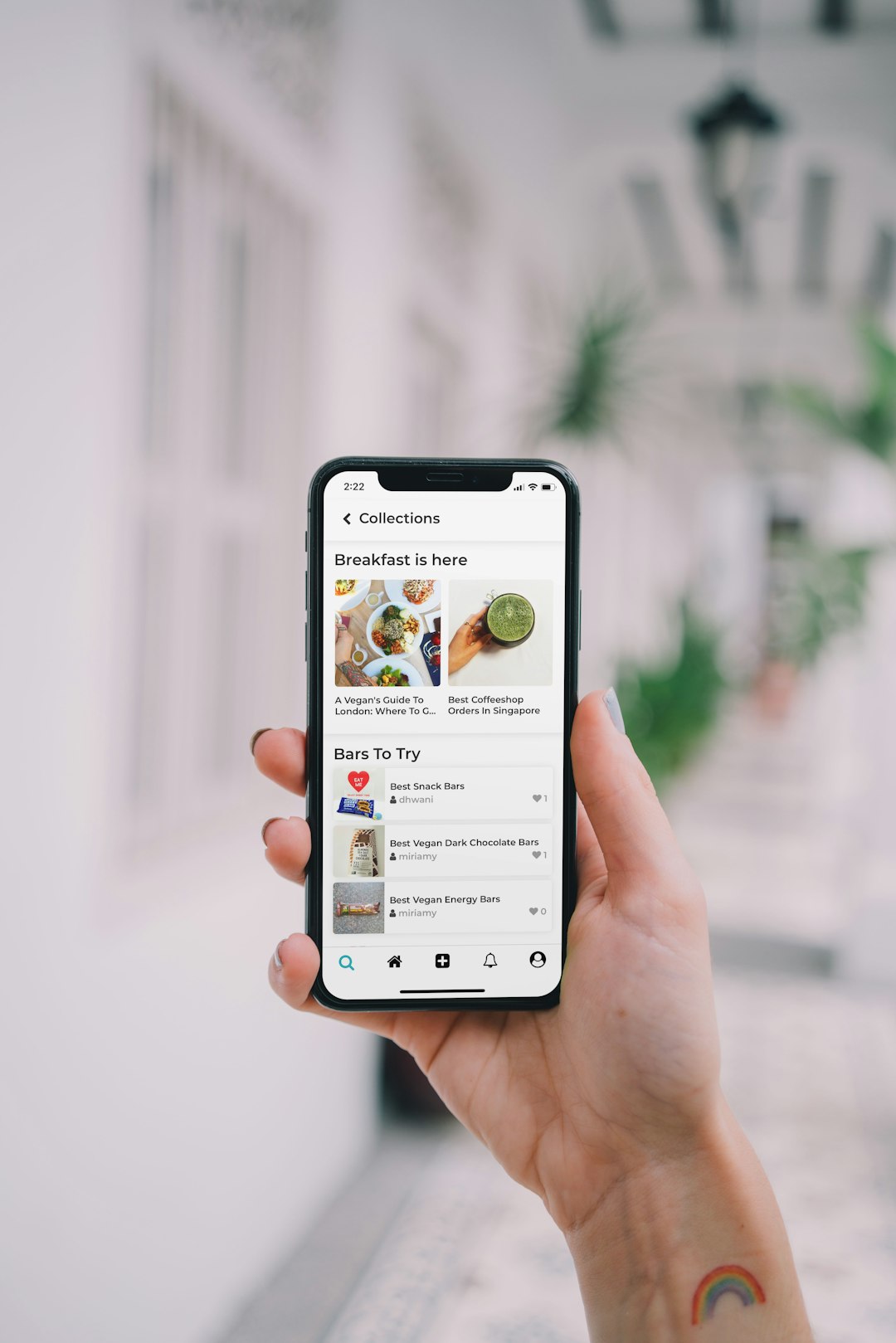
Robocalls are a growing concern in North Carolina, prompting state Do Not Call laws to protect residents from unsolicited sales calls. North Carolina residents can combat this issue by combining list registration with advanced robocall blocking apps. Top-rated apps like TrueCall, Hiya, and NoCall use machine learning to block 95% of automated calls, offering detailed analytics and customized privacy settings. Regular app updates and personalized settings significantly reduce nuisance calls, ensuring a peaceful communication environment. Do Not Call law firms in North Carolina provide legal guidance, empowering residents to regain control over their phone lines from telemarketers and fraudulent robocallers.
In today's digital age, the constant barrage of unwanted robocalls has become a significant nuisance for North Carolina residents. With the rise of automated phone marketing, many users find themselves on the receiving end of persistent calls from law firms and other businesses, often violating their personal space and privacy. The Do Not Call laws in North Carolina offer some protection, but not against all robocalls. This article delves into the challenges posed by these unwanted calls and introduces an effective solution: advanced robocall blocking apps tailored for North Carolina users. By exploring innovative technologies and strategies, we aim to empower residents with tools that enhance their control over incoming calls, ensuring a quieter and more peaceful communication experience.
Understanding Robocalls and North Carolina's Do Not Call Laws
Robocalls have become a ubiquitous and often intrusive part of daily life for North Carolina residents, with businesses and organizations utilizing automated phone systems to reach potential customers or clients. While some robocalls offer valuable information or services, others are considered nuisance calls, leading many users to seek effective solutions, particularly with the growing prevalence of scam and fraud-related robocalls. Understanding these calls and the legal framework surrounding them is crucial for North Carolina users aiming to protect their privacy and avoid potential pitfalls.
North Carolina's Do Not Call laws are designed to give consumers control over the phone calls they receive. The state's law, modeled after federal regulations, allows residents to register their telephone numbers on a "Do Not Call" list, restricting unsolicited sales or marketing calls. This legislation is particularly relevant when dealing with robocalls from telemarketers and call centers. According to recent studies, North Carolina has seen a steady rise in consumer complaints related to unwanted phone marketing, emphasizing the need for heightened awareness and enforcement of these laws.
Do Not Call law firms in North Carolina play a vital role in assisting residents by offering legal guidance and representation regarding robocall issues. These firms help users navigate the complexities of their rights and provide strategies to block and prevent unwanted calls. By understanding their legal standing, North Carolina residents can take proactive measures, such as registering with the state's Do Not Call list and utilizing reputable blocking apps or services, to mitigate the impact of robocalls on their daily lives. This multifaceted approach ensures that users can enjoy a more peaceful and secure communication environment.
Why Choose a Robocall Blocking App for Your Phone

In today's digital age, North Carolina residents, like many across the country, face an increasing number of unwanted robocalls. These automated phone calls from telemarketers and law firms can be a significant nuisance, often posing as legitimate businesses to sell products or services, or worse, attempting to extort money under false pretenses. While traditional blocking methods through your phone's settings or Do Not Call lists offer some protection, they are not foolproof against sophisticated robocallers who continually adapt their techniques. This is where a robust robocall blocking app steps in as an indispensable tool for North Carolina users.
Choosing a reliable robocall blocking app provides an advanced layer of defense tailored to the evolving landscape of telemarketing fraud. These apps leverage machine learning algorithms to identify and block not only known spam numbers but also emerging patterns and new phone scams. For instance, many robocallers now mimic local area codes in an attempt to bypass traditional filters, a tactic that can be effectively countered by the sophisticated tech employed by top-tier blocking apps. Consider a 2021 study by the Federal Trade Commission (FTC) which reported over 43 million complaints about unwanted calls in the United States, with North Carolina ranking among the highest per capita. This data underscores the pressing need for robust protection against robocalls.
Beyond blocking unwanted calls, these apps often provide detailed call analytics, allowing users to understand and track the types of calls they receive. This information empowers residents to make informed decisions about their privacy settings and take proactive measures against emerging scams. For example, a user might discover a pattern of incoming calls from unknown law firms, prompting them to adjust their privacy options or even report suspicious activity to the appropriate authorities. By choosing a reliable robocall blocking app, North Carolina users can reclaim control over their phone lines and enjoy greater peace of mind in an era where fraudsters continually find new ways to exploit vulnerable consumers.
Top-Rated Apps to Block Robocalls in North Carolina

In North Carolina, as in many parts of the country, robocalls have become a persistent nuisance, with approximately 43% of residents reporting frequent unwanted calls, according to recent studies. To combat this issue, top-rated robocall blocking apps offer a practical solution for North Carolina users seeking respite from these intrusive calls. These applications leverage advanced algorithms and extensive databases to identify and block automated phone calls, ensuring a quieter, more peaceful communication experience.
Among the most effective apps are TrueCall, Hiya, and NoCall. TrueCall, for instance, utilizes machine learning to filter out robocalls with an accuracy rate exceeding 95%. It also provides detailed call analytics, allowing users to understand patterns of unwanted calls. Hiya, another robust option, draws from a global community of contributors to continuously update its spam call database, making it highly effective in blocking not just robocalls but also scam attempts. NoCall stands out for its integration with the National Do Not Call Registry and various carrier-specific features, ensuring comprehensive protection against nuisance calls.
Implementing these apps is straightforward: download from a trusted source, activate the robocall blocking feature, and allow access to your call history. For enhanced protection, consider combining these apps with the official National Do Not Call Registry and local North Carolina-specific do-not-call laws, which prohibit telemarketers from calling residential telephone numbers without the prior express consent of the resident. By employing a multi-layered approach, North Carolina residents can reclaim control over their communication channels and bid farewell to unwanted robocalls.
Setting Up and Customizing Your Robocall Protection Today

In today's digital age, North Carolina residents face an increasingly common nuisance—robocalls. These automated phone calls, often from law firms or telemarketers, can be a relentless intrusion on personal time and privacy. However, effective protection against robocalls is within reach for all users. Setting up and customizing a robust robocall blocking app is a straightforward process that empowers individuals to reclaim control over their communication channels.
The first step involves selecting an app tailored to meet individual needs. Several reputable options offer advanced call-screening capabilities, including the ability to block specific numbers or types of calls. Once installed, users can fine-tune their settings. For instance, many apps allow customization based on call sources—users can easily block all incoming calls from unknown numbers or create "allow lists" for trusted contacts. Additionally, leveraging built-in machine learning ensures continuous improvement in identifying and blocking unwanted calls over time.
North Carolina's Do Not Call laws provide a baseline of protection, but an app offers enhanced control. Users should take advantage of these tools to mitigate the constant flow of robocalls. By implementing personalized settings and regularly reviewing call history, residents can significantly reduce disruptions. Moreover, staying informed about the latest in robocall-blocking technology ensures that users remain one step ahead of automated callers, fostering a more peaceful and undisturbed communication environment.